Writing Ground Zero
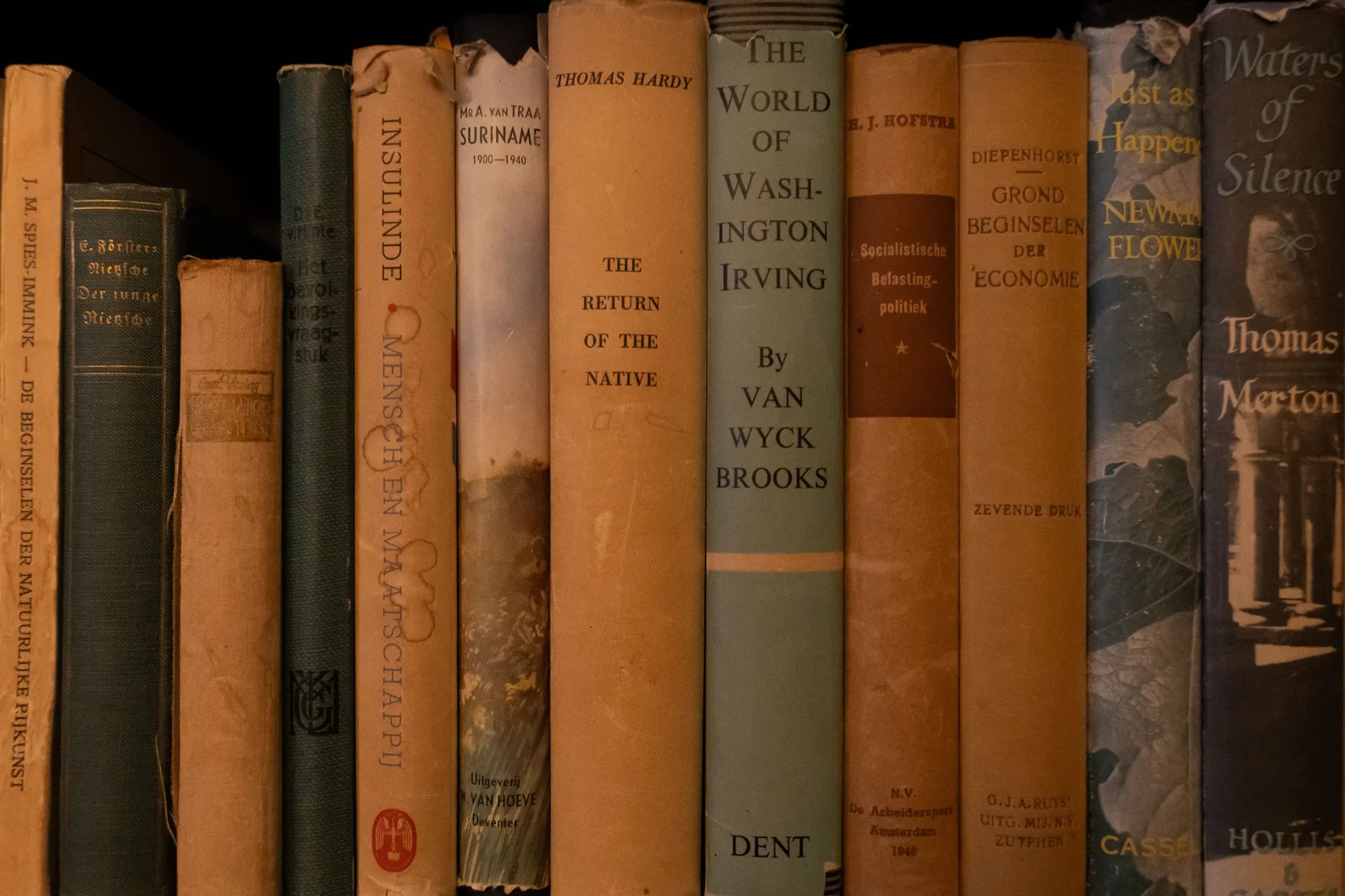
I sorted through nearly a dozen bins of books not too long ago. Such a substantial undertaking was inevitably noticed by the kids and was later mentioned during dinner.
‘You read all of those books?’ one asked. ‘Duh. Isn’t that the point of having a book?’ I replied, only to realize that the snark may have been lost on three philistines who do not generally purchase and read books, dad’s voracious reader gene having clearly skipped them. But I did confess that I had in fact not read every book, that some books were attempted and never completed (um, like this and this), and anyway, who reads every single damn book in their collection?
So, after sorting through the bins, I set books aside to donate and others to give to select loved ones, while still more went to the nightstand and the to-read pile. And afterwards, I realized this book-sorting project was one of those special tasks that you derive more pleasure from undertaking than from completing. It was satisfying to pick up the titles I had enjoyed the most and see evidence of the time spent with them: curved spines, torn pages, notes in the margins. Or the rare title for which you recall the precise time and place that it was read. (I essentially finished The Road in one sitting, waiting in the car while my wife shopped at various North Conway, N.H., outlets.)
Or, and this was where I perhaps found the most pleasure, unearthing that seemingly lost but not forgotten title. In this case, the rather blandly named Boston Red Sox: The Complete Record of Red Sox Baseball, a book that resided on the coffee table at my grandparents’ beach cottage and that I read and reread and reread again during summer vacations.
My favorite section featured season synopses from 1901 until the year the book was published (1983). There were complete player statistics at a time when the only stats one could find were on the back of baseball cards. (Unless you set aside every penny from raking leaves and shoveling snow from driveways until you could purchase this, a mammoth saving task that an adolescent brain simply could not fathom.) And while it was neat to learn that a pitcher could finish the season with an ERA of infinity (Rick Kreuger in 1977) and discover that Lefty Grove won exactly 300 games, the statistical section did not thrill me as much as the wonderfully written reviews of each season, a full season of games (and occasionally more) summarized in roughly 300 well-chosen and colorfully expressive words.
It’s probably impossible to pinpoint that childhood moment that inspired you to think, ‘Yes, this is what I would one day love to do’ primarily because such a moment does not exist, but immersing myself in this coffee table history book is pretty close to being my writing ground zero. And of course, being stimulated, inspired, excited, etc., are just a few of the many reasons you pick up a book in the first place, and why there’s a fourth pile beside donate, give away and to-read: for keeps.